
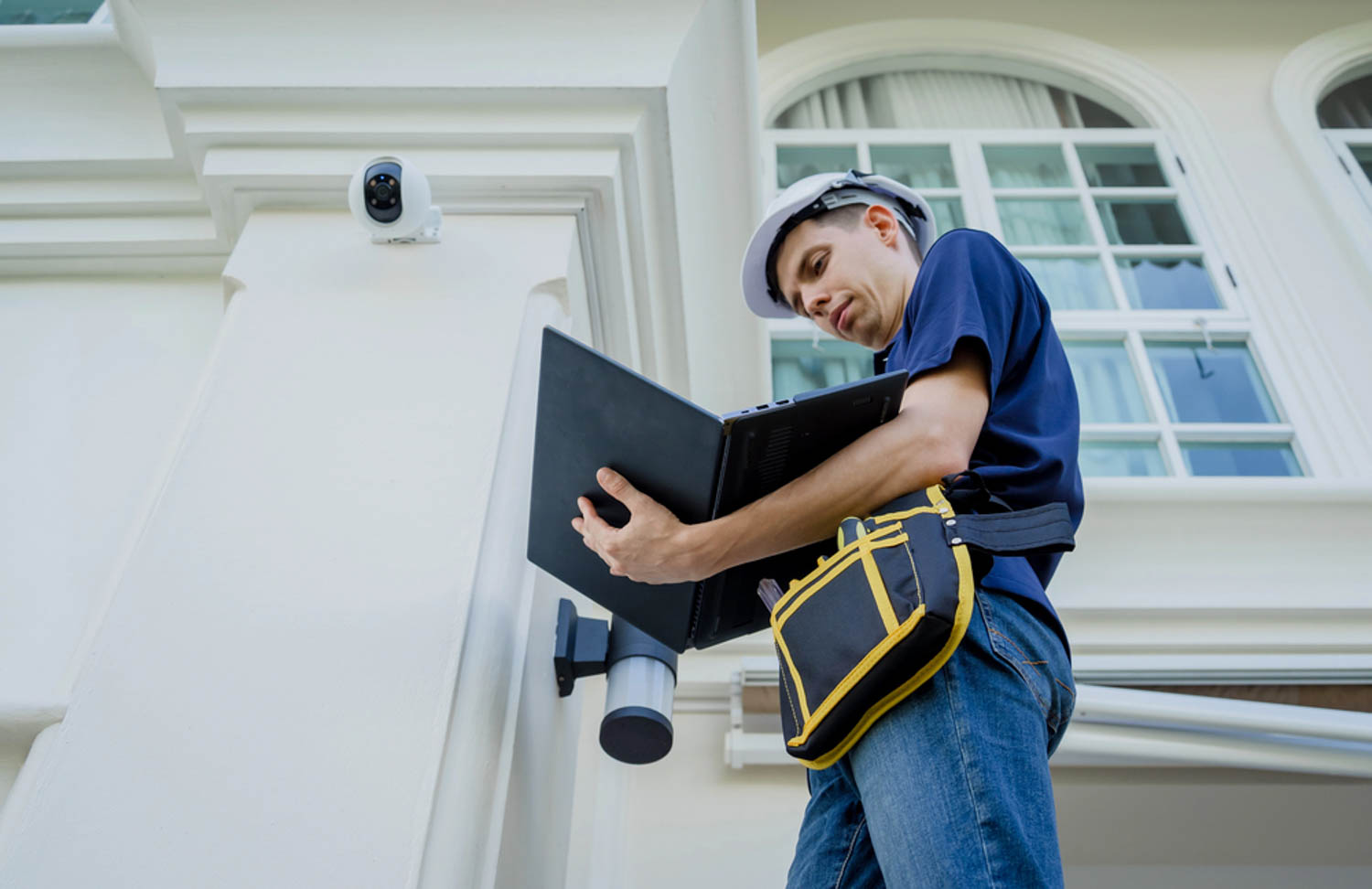
In a city as fast-growing and diverse as Toronto, DIY security systems are commonly seen as an easy starting point for homeowners and businesses looking to protect their properties. From downtown condos to suburban houses and mixed-use buildings, each property comes with its own risks and layout challenges.
At first glance, self-installed alarm kits look like a cost-saving option. They promise quick setup, mobile access, and low upfront pricing. But the real expense typically appears later—through blind spots, unreliable alerts, limited expandability, and ongoing upkeep that isn’t obvious at the time of purchase.
What seems simple at the start tends to become more restrictive over time.
The Illusion of DIY Security Systems
Most consumer kits fall under the category of DIY security systems, typically promoted as easy setup options designed for convenience rather than site-specific planning. That convenience, however, frequently comes at a cost: they don’t account for how different properties actually function in real life.
A detached home, townhouse, and storefront all require different coverage strategies, yet many plug-and-play kits apply the same basic structure:
- Door sensors on entry points
- Motion detectors in open areas
- A small number of cameras for general monitoring
The issue is that real environments are rarely that simple. Blind spots commonly appear in:
- Back entrances and side doors
- Garages and basement access points
- Stairwells and shared corridors
- Poorly lit exterior zones
Without proper planning, coverage gaps are almost inevitable.
A more structured approach focuses on home alarm systems that are designed around the property layout rather than generic placement. Before any device is added, the environment is reviewed for:
- Entry and exit behavior
- Movement flow inside the property
- Lighting and visibility conditions
- High-risk access zones
This creates layered coverage instead of disconnected devices working independently.
False alerts are another common issue. Poorly placed sensors frequently trigger unnecessary notifications from:
- Pets moving indoors
- Airflow or temperature shifts
- Shadows or lighting changes
Over time, this leads to alert fatigue, where warnings are ignored entirely.
Maintenance, Upgrades, and Long-Term Cost Reality
Many assume self-installed alarm systems are a one-time purchase, but ongoing maintenance tells a different story.
Typical dependencies include:
- Battery replacements
- Wi-Fi stability
- Firmware updates
- Cloud storage subscriptions
Individually manageable—but collectively demanding.
Expansion can also become expensive and fragmented. Adding new devices may require:
- Replacing incompatible hardware
- Managing multiple mobile apps
- Upgrading subscription tiers
A more advanced approach uses wireless security systems designed for scalability. Instead of disconnected tools, everything operates within a unified structure:
- Sensors for entry points
- Cameras for visual monitoring
- Smart lighting triggers
- Alarm alerts and audio deterrents
This allows the system to grow without full replacement as more coverage is needed.
Hidden Exposure and Network Risks
A major weakness in many home security systems is digital exposure.
Common vulnerabilities include:
- Default passwords
- Shared cloud platforms
- Unsecured Wi-Fi networks
- Outdated firmware
These can expose live feeds or recorded footage without the user realizing it.
A more structured approach treats the setup as a connected ecosystem:
- Devices are placed on segmented networks
- Communication is encrypted
- Remote access is restricted
- User permissions are controlled
This is especially important in business environments where footage and logs may be used in audits, investigations, or legal disputes.
Where Expert-Designed Systems Make the Biggest Difference
The difference between basic setups and professional security solutions becomes most visible in real-world environments.
Residential properties
Basic systems usually only send alerts after something happens. A more coordinated approach turns multiple devices into a single response system:
When an entry point is triggered:
- Cameras automatically focus on the area
- Lights activate to deter movement
- Alerts escalate instantly
- Audio warnings can be triggered
Instead of isolated notifications, the entire system responds together.
Retail, offices, and warehouses
In many setups, surveillance and access control operate separately. This creates gaps in accountability.
An integrated access control systems setup connects:
- Video monitoring
- Card-based entry systems
- Restricted access zones
- Entry logs linked to footage
This improves:
- Incident tracking
- Internal accountability
- Response speed during investigations
- Operational oversight
Multi-unit buildings
Separate entry setups across units often lead to inconsistent control and confusion.
A centralized video entry structure allows:
- Visitor verification through video
- Remote access approval
- Unified building access rules
- Centralized management
This removes fragmentation and improves overall control.
High-traffic and sensitive environments
In hospitals, universities, transit hubs, and campuses, speed and accuracy are critical.
Integrated tools such as:
- bi-spectral infrared body temperature fast screening instrument
- face recognition access control system
- digital and metal detector security gate
help manage:
- Fast screening
- Identity verification
- Controlled physical entry
Here, the value is not individual devices—it is coordination under continuous pressure. Each component is designed to work together in real time, maintaining performance even in fast-moving, high-demand environments.
The Real Cost Comparison Over Time
At first glance, DIY security systems appear cheaper. Over time, the full picture changes.
Hidden costs often include:
- Subscription fees for cloud services
- Time spent troubleshooting connectivity
- Replacement of outdated devices
- Missed alerts or coverage gaps
- Losses from delayed response
Professional installations may require a higher initial investment, but they significantly reduce long-term issues through:
- Proper planning before setup
- Fewer false alerts
- Scalable architecture
- Unified monitoring platforms
- Higher system reliability
In many cases, the total cost of ownership over several years is lower with a professionally installed system, especially when factoring in risk reduction and system longevity.
Is Your Current Setup Really Enough?
Protecting a property is not about adding devices—it’s about creating a system that works reliably when it matters most.
In a complex urban environment like Toronto, where residential buildings, commercial spaces, and public infrastructure often overlap, the difference between basic setups and properly designed protection becomes more significant over time.
While DIY security systems can offer a basic level of visibility, they often struggle with integration, scalability, and long-term reliability. A more structured approach brings everything together into a coordinated framework that adapts to the property instead of working against it.
If you’re currently relying on a self-installed setup or planning a new one, it may be worth reviewing whether your current coverage actually matches the way your property is used day to day.
For homeowners, landlords, and business operators looking for a more reliable approach, a professionally designed system can be tailored to your layout, risk level, and long-term needs—without the gaps that often come from one-size-fits-all kits.
To see what a properly designed setup would look like for your property in Toronto, book a no-obligation consultation today or call (416) 498-9597 to get a clear, tailored plan for your home or business—built around your layout, risks, and long-term protection needs.