
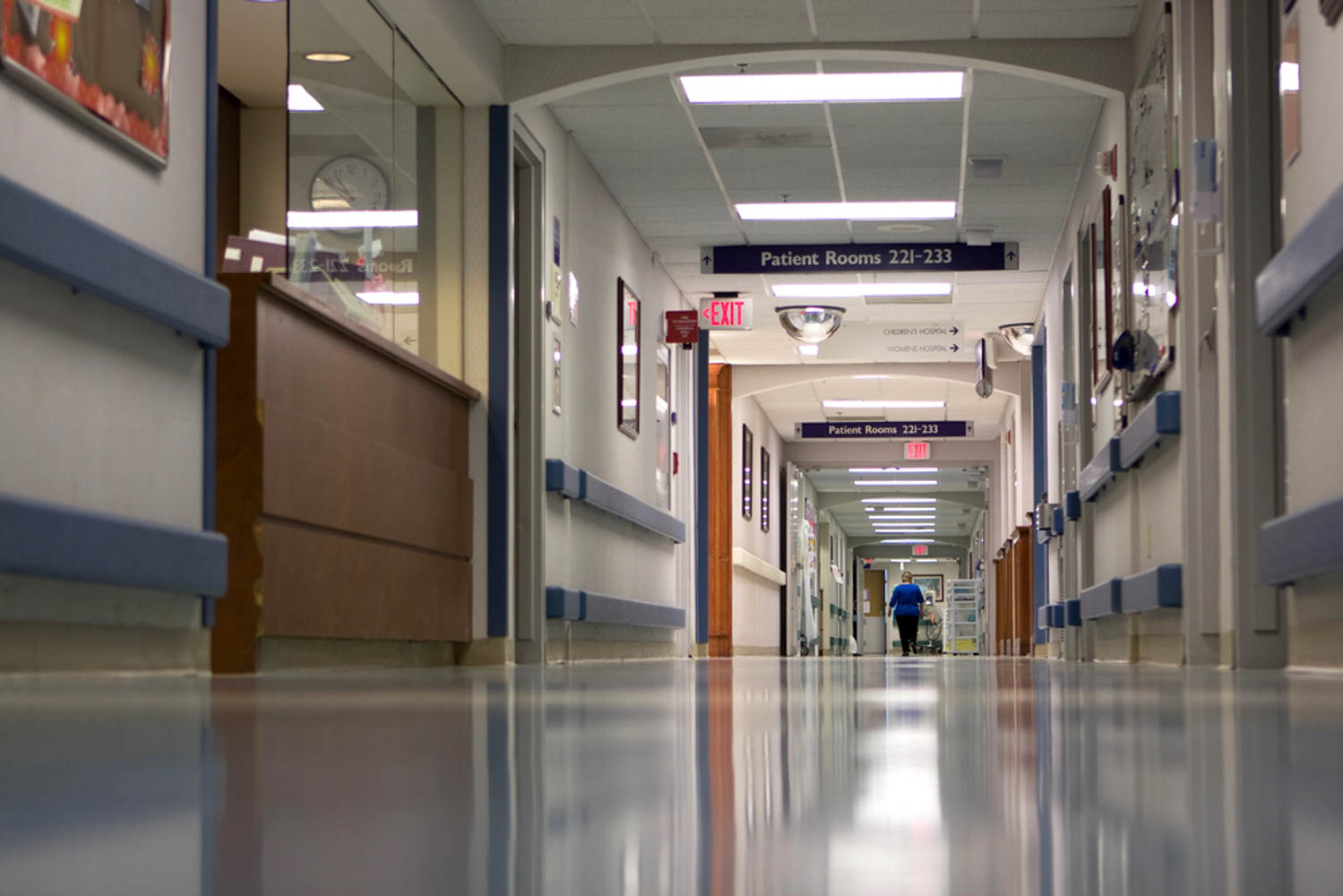
Healthcare facilities across the city operate under constant pressure, and emergency security solutions for hospitals in Toronto have become vital to ensuring safety without disrupting medical care. As a local provider specializing in advanced protective installations, we design and implement tailored frameworks that strengthen resilience, streamline patient flow, and support rapid response when it matters most.
These solutions combine integrated technologies with real‑time monitoring to detect, manage, and resolve urgent situations effectively. Unlike other commercial environments, medical centres must remain open and welcoming while maintaining strict oversight—patients, staff, and visitors move freely, yet critical areas such as emergency wards, pharmacies, and laboratories demand restricted entry and continuous monitoring.
In practice, we see healthcare institutions adopting these systems to ease congestion at busy entrances while maintaining strict control over access to sensitive zones. Modern facilities are now shifting toward smarter, connected protection strategies that improve response times, reduce risks, and support clinical operations seamlessly.
Why Hospitals in Toronto Require Advanced Protection
Healthcare environments are uniquely complex. Unlike typical commercial properties, hospitals must balance openness with controlled access.
Key challenges include:
- Constant foot traffic from patients, staff, and visitors
- Sensitive medical and pharmaceutical storage areas
- High-risk emergency zones such as ER and ICU units
- Need for uninterrupted operations 24/7
- Increased risk of unauthorized access or internal breaches
To address these challenges, hospitals are adopting modern hospital security solutions Toronto that combine monitoring, access control, and automated alert systems.
For example, in busy downtown hospitals, we’ve seen entry points become overwhelmed during peak hours. Layered monitoring and controlled access lanes help streamline movement while maintaining strict verification protocols.
Strengthening Response with Emergency Preparedness Systems
When incidents occur in a hospital environment, every second matters. Rapid communication and coordinated action are essential.
This is where emergency response security systems become critical.
These systems help hospitals:
- Trigger instant alerts across departments
- Lock down sensitive areas when required
- Notify staff in real time through connected channels
- Support coordinated evacuation or containment procedures
- Reduce response delays during critical situations
We usually integrate smart alarm panels, wireless sensors, motion detection units, and visual alert devices to ensure seamless communication across facilities.
In real-world hospital settings, these systems are especially useful during situations like unauthorized access attempts or emergency ward lockdowns, where instant communication between departments is essential to prevent escalation.
Enhancing Entry Control with Smart Access Technology
Managing entry points is one of the most important aspects of hospital protection. Modern facilities are moving beyond traditional keycards toward smarter verification methods.
Today’s healthcare access control systems often include:
- Card reader access panels for staff authentication
- Biometric verification for high-security zones
- Digital credentials for temporary access
- Role-based entry permissions for departments
- Automated logging of all entry activity
In sensitive areas like pharmacies, operating rooms, and laboratories, we frequently deploy face recognition access control to ensure only authorized personnel gain entry.
For instance, surgical wings in larger Toronto hospitals often use biometric entry to reduce delays during shift changes while ensuring only credentialed staff enter restricted zones.
This reduces bottlenecks while improving accuracy and accountability.
Improving Visibility with Hospital Video Surveillance Systems
Visual monitoring is a core component of modern hospital safety infrastructure. It helps administrators maintain awareness across multiple departments in real time.
Our deployments of hospital video surveillance systems Toronto typically include:
- High-definition digital camera networks
- Centralized monitoring stations
- Cloud or on-site recording storage
- Motion-triggered recording capabilities
- Remote access for authorized administrators
In emergency intake areas, surveillance systems are often used to help staff quickly assess crowd density and redirect patient flow during peak periods.
For example, we’ve seen ER departments use live camera feeds to adjust triage flow when waiting areas become congested during seasonal flu surges.
Emergency Preparedness Security Technology in Healthcare
Modern hospitals rely on advanced tools that support both safety and health screening functions. Emergency preparedness security technology plays a key role in managing large-scale patient flow and emergency scenarios.
Common implementations include:
- Handheld Thermal Imagers for rapid temperature checks
- Bi-Spectral Infrared Body Temperature Screening Instruments at entrances
- Integrated Wrist Temperature Measurement Systems for ongoing monitoring
- Automated screening checkpoints for high-traffic entry zones
In real-world application, these tools are often deployed at main hospital entrances during flu season or outbreak alerts to quickly screen incoming patients without slowing down admissions.
We’ve also seen thermal imaging units used in triage tents or temporary intake zones during emergency surges.
Detection Systems for Safer Hospital Environments
Security in healthcare facilities also extends to preventing prohibited or hazardous items from entering restricted areas.
We often install:
- Digital detection gates at main entrances
- Metal detection screening points for sensitive zones
- Combined scanning systems for high-volume traffic areas
In practice, these systems are especially effective in emergency departments where patient flow is unpredictable. They help identify restricted items quickly without creating long queues.
For example, hospitals with high urban traffic often use metal detection gates to maintain safety while still allowing rapid patient intake during peak hours.
Building Integrated Emergency Security Solutions for Hospitals in Toronto
Modern hospital environments require systems that work together rather than operate independently.
A fully integrated setup may include:
- Surveillance cameras linked to central monitoring dashboards
- Access control systems connected to real-time entry logs
- Alarm networks synchronized with emergency protocols
- Detection systems feeding alerts into command centers
- Temperature screening tools integrated at entry checkpoints
In real-world deployments, integration allows hospitals to respond faster during incidents because all systems communicate automatically.
For example, if unauthorized access is detected in a restricted wing, cameras, alarms, and entry controls can activate simultaneously rather than relying on manual response.
This is where emergency security solutions for hospitals in Toronto deliver their greatest value—coordinated, automated response across multiple layers of protection.
The Importance of System Integration in Healthcare Facilities
One of the most significant advancements in hospital safety is centralized management.
Instead of managing multiple standalone systems, hospitals now use integrated platforms that allow administrators to:
- Monitor live camera feeds across departments
- Track access activity in real time
- Receive instant alerts from multiple systems
- Review incident data quickly for response planning
- Coordinate departments during emergencies
In practice, this is especially useful in large multi-building hospital campuses where security teams need visibility across multiple zones simultaneously.
For example, a central command room can monitor emergency entrances, parking areas, and inpatient wings all at once, reducing blind spots during critical events.
Strengthening Hospital Safety Through Emergency Security Solutions in Toronto
Hospitals require precision-driven solutions that support both patient care and operational safety. As healthcare environments evolve, so must their protective infrastructure.
By implementing modern emergency response security systems, upgrading to intelligent healthcare access control systems, and deploying advanced monitoring and detection technologies, hospitals can significantly improve safety and responsiveness.
These upgrades are not just technical improvements—they directly impact how efficiently a hospital can respond during critical moments.
Key benefits include:
- Faster emergency response times
- Improved control over sensitive zones
- Enhanced monitoring across departments
- Reduced operational risks
- Better coordination during critical incidents
In real-world hospital environments, these improvements often translate into smoother patient flow, quicker incident containment, and stronger coordination between departments during high-pressure situations.
As a Toronto-based provider, we continue to design and install tailored systems that align with real-world hospital workflows—ensuring protection without compromising care delivery.
Ready to Upgrade Your Hospital’s Safety Infrastructure?
If your facility is planning an upgrade or reviewing its current safety framework, now is the right time to explore modern integrated solutions designed specifically for healthcare environments.
We can help design and implement a system tailored to your hospital’s needs—from entry control and monitoring to emergency response integration.
Call us today at (416) 498-9597 or book a consultation to discuss your hospital’s security requirements in Toronto.