As a Toronto-based provider specializing in advanced protection technology for residential, commercial, and institutional environments, we’ve seen how campus environments have evolved into highly complex, always-active communities.
Modern colleges and universities are no longer just academic spaces—they function like small cities with residence buildings, laboratories, transit zones, event halls, and public access areas all operating simultaneously.
At the center of modern campus protection planning are integrated security solutions for colleges and universities, which refer to a unified network of connected technologies—such as surveillance, access control, alarms, communication tools, and emergency response systems—that work together in real time instead of operating separately.
In practical terms, this means that if an incident occurs on campus, cameras, door controls, and alert systems can respond together instantly, providing a coordinated response rather than isolated reactions from individual devices.
For example, during a campus emergency scenario in a Toronto institution, a coordinated response may include automatic door lockdowns, live camera redirection, and instant mobile alerts to staff. Instead of standalone devices reacting independently, everything operates as one connected ecosystem.
The Growing Need for Modern Campus Protection
Today’s institutions face a wide range of operational risks, including unauthorized access, crowd management issues, theft prevention, and emergency preparedness challenges.
Traditional standalone devices are no longer sufficient. This is why campus security systems integration has become a priority for forward-thinking institutions.
Instead of managing separate platforms for cameras, alarms, and entry controls, schools are shifting toward centralized monitoring environments that improve visibility and response speed.
Key challenges campuses face today:
- High daily foot traffic across multiple buildings
- Open-access public areas mixed with restricted zones
- Residence buildings requiring controlled entry
- Large-scale events requiring crowd supervision
- Emergency situations requiring immediate coordination
When these risks are managed through disconnected tools, delays and blind spots become inevitable.
University Access Control Systems and Movement Management
A connected approach is no longer optional—it is essential for operational efficiency and safety.
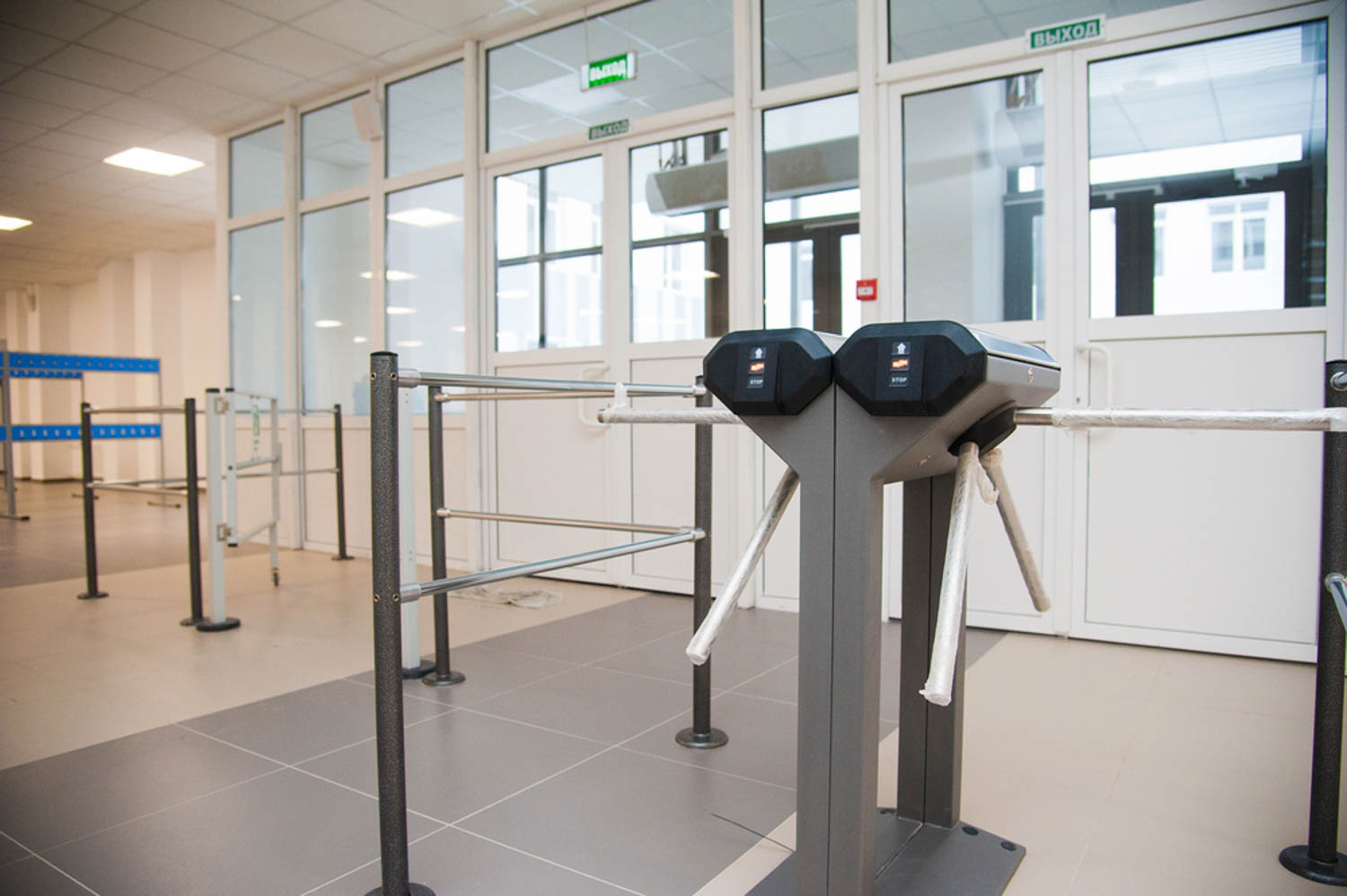
With university access control systems, administrators gain full oversight of who enters specific buildings and when. These systems can include card-based credentials, mobile access permissions, and biometric verification tools such as facial recognition.
In real deployments across Toronto campuses, we often combine multiple access layers such as:
- Smart card readers for residence and administrative buildings
- Biometric entry points for labs and restricted research zones
- Centralized access logs for real-time monitoring
- Remote permission control for staff and contractors
This ensures movement across campus remains smooth while maintaining strict access boundaries where needed.
Strengthening Visibility Through Video and Monitoring Tools
One of the most critical layers in modern campus design is video surveillance for educational institutions. However, today’s systems go far beyond traditional recording.
Modern surveillance infrastructure includes:
- High-definition digital cameras with wide coverage angles
- Motion-triggered alerts and analytics-based detection
- Remote viewing dashboards accessible to administrators
- Integration with access logs for incident tracking
In our Toronto installations, we often design coverage to include entry points, hallways, parking areas, and shared student spaces to eliminate blind spots.
Additionally, multi-tenant video entry systems are widely used in residence buildings. These systems allow staff or residents to visually verify visitors before granting access, significantly reducing unauthorized entry risks.
Emergency Response Security Systems in Critical Situations
Campus emergencies require fast, coordinated reactions across multiple departments. This is where emergency response security systems play a crucial role.
These systems connect alarms, communication channels, and monitoring devices into a single response framework.
Typical emergency integration features include:
- Automated lockdown activation across selected buildings
- Instant alerts sent to campus security personnel and staff
- Integrated public announcement systems for live instructions
- Direct linkage between alarms and surveillance tracking
In certain institutional environments, we also deploy specialized tools such as:
- Handheld thermal imagers for rapid detection in low-visibility areas
- Bi-spectral infrared body temperature screening devices at entry points
- Integrated wrist temperature measurement systems for high-traffic screening zones
- Digital and metal detector security gates for event halls and transit-style checkpoints
These tools are especially useful during large gatherings, health monitoring periods, or high-risk operational scenarios.
Key Benefits of Integrated Campus Infrastructure vs Standalone Devices
Many campuses still rely on individual, disconnected devices—separate camera networks, independent alarms, and isolated access control panels. While these tools work on their own, they often fail to communicate with each other when it matters most.
This is where the difference between standalone tools and integrated security solutions for colleges and universities becomes especially clear.
Instead of operating in isolation, integrated environments connect every layer into a coordinated response system.
Standalone Devices vs Integrated Approach
Standalone Devices (Traditional Setup):
- Cameras record footage but don’t trigger alerts
- Access control logs remain separate from surveillance data
- Alarms activate without contextual information
- Staff must manually interpret and respond to incidents
- Slower coordination during emergencies
Integrated Campus Infrastructure:
- Cameras automatically link with access events and alarms
- Real-time alerts are triggered across multiple departments
- Door controls, lighting, and surveillance respond together
- Central dashboard provides full situational awareness
- Faster, coordinated emergency response across campus
Why Integration Delivers Better Outcomes
With campus security systems integration, campuses move from reactive monitoring to proactive coordination.
Key advantages include:
- Reduced response time during incidents
- Fewer blind spots caused by disconnected tools
- Better decision-making through unified data
- Improved communication between campus departments
- Higher overall reliability of campus-wide protection planning
In practice, this means a single event—like unauthorized access in a restricted building—can instantly trigger camera tracking, alert dispatch, and controlled lockdown procedures without waiting for manual intervention.
From Planning to Installation: Campus System Integration
In our work across educational institutions in Toronto, we design layered frameworks that combine physical infrastructure with intelligent digital coordination.
A typical campus deployment may include:
Access Management Layer
- University-wide credential-based entry systems
- Biometric verification for restricted areas
- Visitor tracking and temporary access permissions
Monitoring Layer
- Full-building digital surveillance coverage
- Parking and outdoor area camera networks
- Integrated video analytics for movement detection
Communication Layer
- Emergency alert stations in hallways and common areas
- Automated announcement systems for urgent updates
- Mobile notification integration for staff response teams
Specialized Protection Layer
- Commercial alarm systems with wired and wireless sensors
- Smart lighting triggers linked to motion detection
- Entry control systems for high-security zones
This layered structure ensures no single point of failure and allows each subsystem to reinforce the others.
Building Smarter, Connected Campuses
The future of campus protection is increasingly defined by automation, intelligence, and unified visibility. Modern environments are moving away from isolated tools and toward platforms that bring monitoring, access control, and response functions into a single coordinated framework.
In practice, this shift allows administrators to:
- Monitor all buildings from a centralized interface
- Receive automated incident alerts in real time
- Adjust access permissions instantly across departments
- Analyze activity trends to improve long-term planning
For example, if unusual activity is detected in a lecture hall, the system can automatically activate nearby cameras, restrict access points, and notify response teams without manual intervention. This level of coordination represents a major step forward in campus safety planning.
As campuses continue to expand, the need for smarter coordination will only increase. Future environments are expected to incorporate AI-assisted monitoring, predictive threat detection, and deeper automation between connected devices. However, the foundation remains consistent: reliable, well-integrated infrastructure designed around integrated security solutions for colleges and universities that unify protection technologies into one responsive ecosystem.
From our experience working with educational institutions across Toronto, it’s clear that standalone devices are no longer sufficient for today’s operational demands. A coordinated framework built on campus-wide integration of access control, surveillance, and emergency response capabilities creates a more resilient and efficient environment.
Why Professional Planning Matters
One of the most overlooked factors in campus infrastructure projects is the importance of working with experienced professionals from the earliest planning stage through to final installation.
Proper design and implementation ensures that:
- Systems are correctly mapped to building layouts and traffic flow
- Different technologies communicate effectively without compatibility issues
- Future expansion can be accommodated without major redesigns
- Security gaps and blind spots are identified before deployment
- Emergency response workflows are properly configured and tested
Without structured planning, even advanced technology can underperform due to poor placement, lack of integration, or fragmented configuration. A well-designed approach ensures every component works as part of a unified environment rather than as isolated tools.
By moving away from isolated setups and toward professionally planned, fully connected infrastructure, colleges and universities can significantly improve safety, streamline daily operations, and create a more responsive learning environment for students, staff, and visitors.
If your institution is planning future upgrades or reviewing existing infrastructure, the next step is evaluating how well your current setup supports true integration across all campus systems.
For guidance, planning, or a system assessment tailored to your campus needs, you can speak with a specialist to explore the best approach for your environment. Call us (416) 498-9597 or book a consultation to get started.