Public transit systems are the lifeline of Toronto, connecting millions of residents and visitors every day. To ensure safety and reliability, best emergency security solutions for Toronto transit facilities are essential. These solutions are not just about technology — they are about creating environments where passengers feel protected, staff can operate confidently, and infrastructure remains resilient against evolving risks.
Toronto’s transit network faces unique challenges: 426 million annual rides on TTC services and 77.7 million riders on GO Transit mean constant crowd movement, multiple entry points, and the need for rapid response to emergencies. From subway stations to bus depots, every facility requires a layered approach that blends surveillance, access control, and emergency screening. By exploring the most effective solutions, we can better understand how transit facilities maintain safety while keeping operations smooth.
Why Modern Transit Hubs Need Advanced Protection
Passenger terminals experience continuous activity throughout the day, making them vulnerable to emergencies ranging from unauthorized entry to medical incidents and suspicious activity. Large crowds, multiple entrances, and around‑the‑clock operations require dependable technology that provides continuous monitoring and immediate alerts when an event occurs.
A professionally designed Toronto transit security strategy helps operators maintain situational awareness while improving emergency response times. Rather than relying on individual devices, today’s facilities benefit from integrated platforms where surveillance, alarms, communications, and controlled entry points work together.
Professional recommendations ensure that every component is selected based on the layout, traffic patterns, and operational requirements of the property. This customized approach minimizes vulnerabilities while maximizing long‑term reliability.
Key Emergency Security Solutions for Transit Facilities
Transit facilities benefit most from solutions that combine prevention, monitoring, and rapid response. These technologies are designed to address the unique challenges of high‑traffic environments, ensuring that both passengers and staff remain safe while operations continue without disruption.
Below are several categories of technologies that, when implemented strategically, strengthen Toronto’s transit network against everyday risks and unexpected emergencies. Each plays a distinct role in safeguarding stations, depots, and other critical areas, forming the foundation of a reliable protection system.
Integrated Alarm and Surveillance Systems
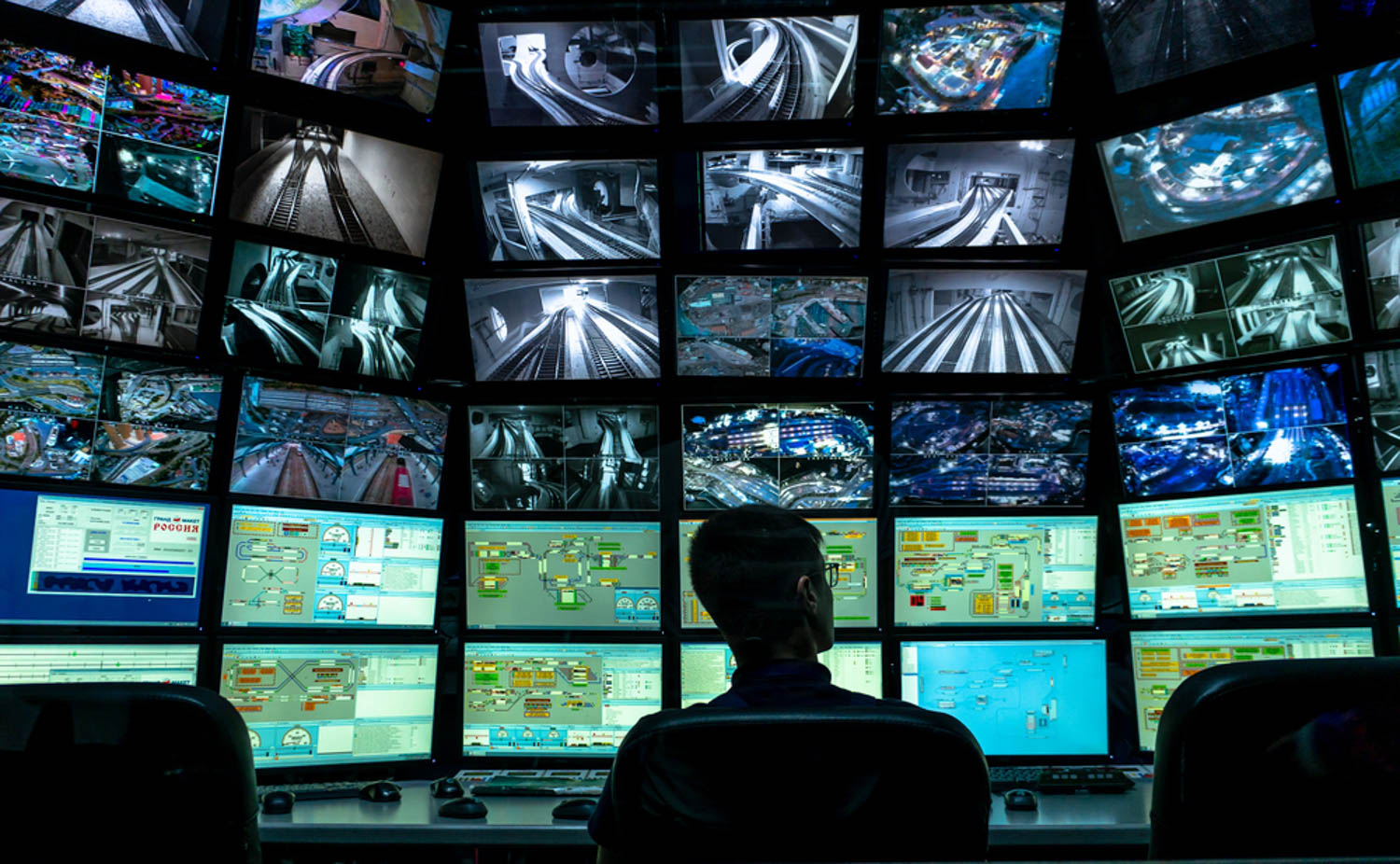
Modern commercial alarm systems combine digital video surveillance with card reader access panels. In transit hubs, this integration allows operators to monitor activity in real time, restrict unauthorized entry, and respond quickly to suspicious behavior. When paired with home alarm systems adapted for facility use—such as control panels, wireless sensors, and cameras—these solutions create layered protection.
Multi-Tenant Video Entry for Controlled Access
Transit depots and stations often house multiple operational units. Multi-tenant video entry systems provide secure communication between staff and visitors, ensuring only authorized personnel gain access. This reduces risks of intrusion and enhances accountability.
Emergency Screening Technologies
Crowded environments demand rapid health and safety checks. Devices like handheld thermal imagers and integrated wrist temperature measurement systems help identify potential health risks quickly. These tools complement broader emergency protocols, especially during public health crises.
Advanced Access Control
For high‑risk zones such as control rooms or restricted tunnels, face recognition access control ensures only verified individuals can enter. Combined with digital & metal detector security gates, transit facilities can prevent dangerous items from entering secure areas.
Bi-Spectral Infrared Screening
The bi-spectral infrared body temperature fast screening instrument is particularly effective in busy transit stations. It allows for rapid, non‑intrusive screening of large groups, maintaining passenger flow while ensuring safety.
Complementary Solutions That Work Together
Emergency security is most effective when solutions are combined strategically. Below are several categories of technologies that, when implemented together, create a comprehensive safety net for Toronto’s transit network. Instead of operating independently, each component supports the others, allowing operators to respond more efficiently and maintain consistent protection across stations, depots, and other critical areas.
To illustrate how these technologies function in practice, consider the example of Toronto’s subway stations — busy environments where layered protection is essential:
- Video surveillance + access control: Digital video surveillance monitors entrances and platforms, while face recognition access control ensures only verified staff can enter restricted areas. This pairing detects threats and prevents unauthorized access simultaneously.
- Thermal screening + security gates: During public health alerts, handheld thermal imagers at main entry points quickly identify risks. When combined with digital & metal detector security gates, facilities can screen passengers for both health and safety concerns without slowing down foot traffic.
- Alarm systems + professional installation: Control panels, wireless sensors, and cameras are installed strategically to cover blind spots. Professional installation ensures these devices integrate seamlessly, reducing downtime and maximizing reliability.
- Multi-tenant video entry + depot security: Maintenance depots connected to subway stations use multi-tenant video entry systems to verify contractors and staff before granting access. This adds accountability and prevents unauthorized individuals from entering operational zones.
Together, these solutions demonstrate how layered protection works in a real transit environment. By combining technologies, Toronto’s subway facilities maintain smooth operations while safeguarding passengers and staff.
Why Professional Installation and Guidance Are Essential
Technology alone cannot guarantee safety in transit facilities. Professional expertise ensures that every solution is tailored, integrated, and maintained for long‑term effectiveness.
- Customized assessments: Every transit facility has unique risks. Experts evaluate layouts, traffic patterns, and vulnerabilities before recommending solutions.
- Seamless integration: Systems must work together without gaps. Professionals ensure compatibility across devices, from surveillance cameras to access control panels.
- Ongoing support: Maintenance and updates keep solutions effective as risks evolve.
By relying on professional recommendations and installation, transit authorities avoid common pitfalls such as improper sensor placement, outdated software, or fragmented systems. This combination of guidance and skilled setup is what transforms technology into reliable protection.
Securing Toronto’s Transit Future
Toronto’s transit facilities demand robust, reliable, and professionally installed systems to safeguard passengers and staff. By combining surveillance, access control, and emergency screening technologies, operators can create a secure environment that adapts to evolving risks. The best emergency security solutions for Toronto transit facilities are those implemented with expert guidance, ensuring long‑term safety and trust for the city’s public transportation network.
Ready to Strengthen Your Security?
Call us today at (416) 498-9597 to discuss your facility’s needs or book a consultation online. Our team is here to provide tailored recommendations and professional installation that keep your transit spaces safe and secure.