
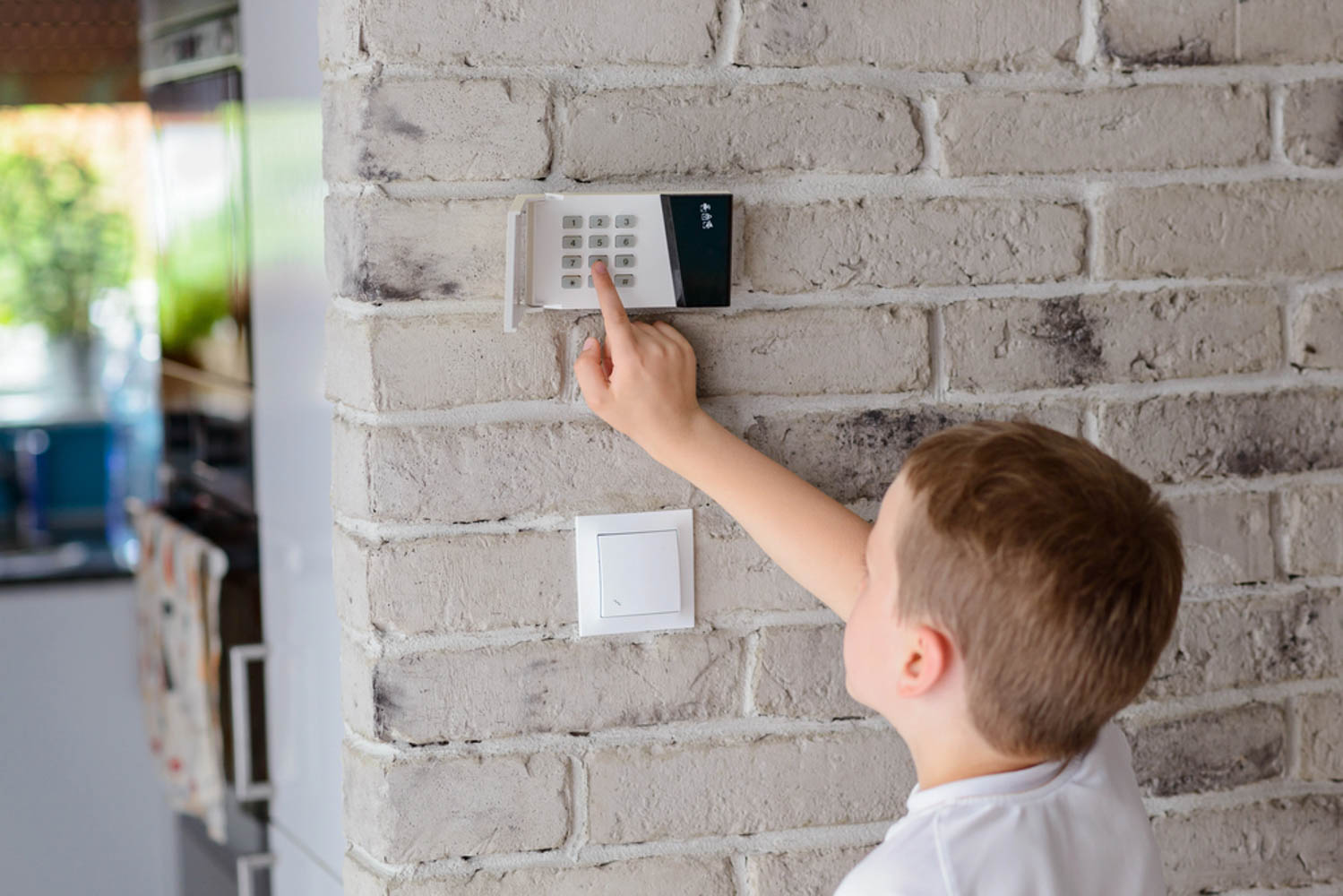
For Toronto families, choosing the right protection starts with understanding how a home alarm system Toronto homeowners can rely on should fit their property, household, and everyday routine. A detached house, townhouse, condominium, or multi-level home can have very different access points and vulnerabilities, so choosing an alarm should involve more than comparing prices or the number of devices in a package.
The better approach is to look at the home as a whole. Where are the entrances? Which areas are most exposed? Would cameras improve visibility? Would wired or wireless equipment make more sense? Most importantly, how can the different components work together?
A professional assessment can help answer these questions before homeowners invest in equipment.
Start With the Type of Home You Have
The layout and characteristics of a property should influence the alarm arrangement you choose.
A detached Toronto residence may have several exterior doors, basement windows, a garage, and side or rear areas that are less visible from inside. A condominium may have fewer private access points but different considerations around shared entrances and visitors. Townhouses can have a combination of front, rear, and garage access.
Before choosing equipment, consider:
- How many exterior doors does the property have?
- Are there accessible basement or ground-floor windows?
- Is there an attached or detached garage?
- Are there side entrances, patio doors, or rear access points?
- Which areas are difficult to see from inside?
- Could renovations or additions change the property’s needs?
These details help determine where detection and monitoring equipment can provide the most value.
Identify the Areas You Need to Protect
One common mistake is choosing an alarm package before identifying the areas that actually need protection.
Walk around the property and consider how someone could potentially gain access. The front door is an obvious starting point, but secondary entrances, garage doors, patio doors, and basement windows should also be considered.
Depending on the property, useful components may include:
- Door and window sensors
- Motion detectors
- Keypads and control panels
- Interior or exterior cameras
- Audible sound devices
- Security lighting
- Other compatible detection equipment
For example, a Toronto homeowner with a rear patio entrance might combine a door sensor with a nearby camera and exterior lighting. A garage could have its own contact sensor, while a basement may require carefully positioned window or motion detection.
The goal is not to install equipment everywhere. It is to identify where an additional layer of protection makes sense.
Wired, Wireless, or a Combination?
Once you know which areas require attention, consider how the equipment will connect.
A wireless home alarm system can be practical in many existing properties because it may reduce the need for extensive cabling and offer flexibility when devices need to be added or repositioned.
Wired components can be suitable where infrastructure is already available, particularly during construction or renovations. Some properties may benefit from a combination of wired and wireless equipment.
There is no universal choice. The home’s construction, existing infrastructure, device locations, renovation plans, and future requirements should all be considered.
A professional assessment can help homeowners select equipment based on the property rather than simply choosing whatever appears easiest to install.
Think in Layers, Not Individual Devices
A home alarm should not be viewed as a collection of unrelated gadgets. Different components can perform different jobs, creating several complementary layers around the property.
For a Toronto home, those layers might include:
- Entry protection: Door and window sensors can identify when important access points are opened.
- Interior detection: Motion sensors can provide another layer of awareness in selected areas.
- Video coverage: Home security cameras can provide visual information around entrances, driveways, garages, or other exterior areas that are difficult to see from inside.
- Exterior lighting: Lighting can improve visibility around vulnerable areas and complement outdoor cameras after dark.
- Audible alerts: Sound devices can provide an immediate warning inside the home during an alarm event.
- Centralized control: A control panel and keypad can bring the various components together for convenient operation.
Consider a detached home with a front entrance, rear patio door, basement windows, and an attached garage. Entry sensors could protect key doors and windows, motion detection could cover selected interior areas, while a camera and lighting could address the driveway or a less visible rear entrance.
Each component has a different purpose. A sensor can indicate that an access point has been opened, while a camera can provide additional visual information about what is happening nearby.
This is also where a smart home security system can provide added convenience for households that want greater control over connected equipment and alerts. However, features should never replace proper planning. The technology still needs to suit the property and be simple enough for everyone in the household to use.
The goal is not to buy the most devices. It is to create a coordinated arrangement in which each component has a practical role.
Choose Controls Your Family Will Actually Use
An alarm can have sophisticated capabilities, but it still needs to be practical for everyday life.
Control panels and keypads should be positioned where household members can access them easily. Everyone who needs to operate the alarm should understand how to arm and disarm it, respond to alerts, and use the controls correctly.
Think about your household’s routine, too. A family may have different requirements when everyone is home, when children return from school, when visitors arrive, or when the property is empty during work or vacation.
Ease of use matters. A complicated setup can become frustrating, while a well-designed arrangement should provide useful protection without making everyday operation unnecessarily difficult.
Consider Your Home Insurance Requirements
Home insurance is another factor worth discussing before purchasing equipment.
Some insurers may recognize professionally installed alarms, monitored equipment, smoke detection, cameras, or other protective measures when assessing a property. However, requirements, eligibility, documentation, and potential premium reductions vary between insurers and individual policies.
Before purchasing an alarm, homeowners can ask their insurance representative:
- Does my policy recognize professionally installed alarm equipment?
- Are specific devices or monitoring services required?
- Will I need proof of professional installation?
- Is documentation required to confirm the equipment is active?
- Could the protective measures affect my premium or coverage?
Homeowners should not assume that an alarm automatically qualifies them for an insurance discount. The details should always be confirmed directly with the insurer.
Even without an insurance benefit, professionally installed equipment can provide value by helping homeowners take a proactive approach to protecting their property.
Why Professional Installation Matters
DIY alarm kits can appear convenient, particularly when they promise quick installation. However, selecting equipment is only one part of creating effective protection.
Placement, configuration, compatibility, and testing can all affect how well the completed setup performs.
A professional installer can assess the property and help determine:
- Which entrances require detection
- Where sensors should be positioned
- Where cameras can provide useful coverage
- Whether wired, wireless, or hybrid equipment is appropriate
- How different components should work together
- How the completed installation should be tested
This can be especially important in older Toronto homes, renovated properties, multi-level residences, and homes with garages or unusual layouts.
Professional installation also gives homeowners an opportunity to understand how the equipment works before relying on it. If the property changes later, an experienced installer can help determine whether additional components can be incorporated.
For these reasons, professional security installation should be considered part of the overall investment rather than an optional add-on. An alarm is only as useful as the coverage and configuration behind it.
Make the Decision About Your Home, Not the Device
There is no single alarm package for every Toronto home. The best choice depends on the property’s layout, access points, household routines, and coverage needs—and those needs can change after a renovation, new entrance, finished basement, or garage addition.
Start with the home rather than a product list. Consider where sensors, cameras, lighting, and other devices could provide useful coverage, and whether the setup can be expanded as your property evolves.
A professional assessment and installation can help avoid coverage gaps, compatibility issues, and incorrect device placement. For Toronto families, a home alarm system Toronto professionals can assess, install, and configure can provide practical, coordinated protection for the people and property that matter most.
Ready to Protect your Toronto Home?
Call us at (416) 498-9597 or book a consultation online to have your home assessed and discuss a professionally designed and installed alarm setup tailored to your needs.