
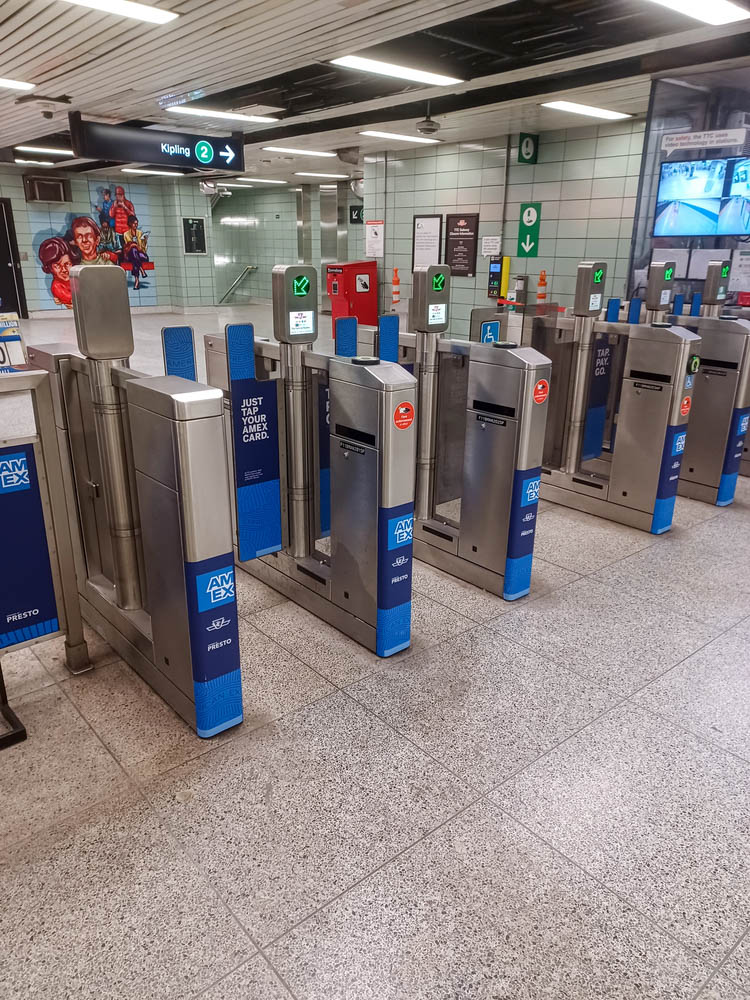
The city’s public transportation network relies heavily on transit security solutions Toronto to keep millions of daily passengers safe across subway stations, bus terminals, streetcar routes, and commuter hubs.
As ridership continues to grow, maintaining a safe and reliable environment for passengers, operators, and visitors has become increasingly important. Modern transportation environments face a wide range of operational and safety challenges, from high passenger volumes and multiple access points to the need for rapid incident response and continuous oversight across large facilities.
Ensuring consistent protection requires more than traditional on-site presence—it demands integrated, technology-driven approaches designed for complex transit ecosystems. Today’s safety frameworks combine intelligent monitoring platforms, emergency communication tools, credential-based access management, and advanced screening technologies into a unified approach that supports both efficiency and public confidence.
As a Toronto-based provider of integrated protection systems, we understand the importance of balancing passenger flow, operational performance, and long-term infrastructure resilience while maintaining a strong commitment to public safety.
Public Safety Challenges Facing Toronto’s Transportation Network
Transportation facilities face several unique challenges that require a proactive approach to safety, including:
- High passenger volumes during peak travel periods
- Multiple public entrances and exits
- Restricted operational and maintenance areas
- Large indoor and outdoor environments to oversee
- The need for rapid response during emergencies
- Ongoing protection of critical infrastructure
Whether managing a busy subway station, bus depot, or regional transportation hub, operators must be able to identify potential threats, maintain situational awareness, and coordinate rapid responses when incidents occur.
By combining multiple layers of protection into a unified strategy, transit security solutions Toronto play a critical role in helping transportation authorities improve visibility, reduce vulnerabilities, and strengthen public confidence throughout the passenger journey.
How Transit Surveillance Systems Help Monitor High-Traffic Areas
One of the most effective tools available to transportation operators today is the use of advanced transit surveillance systems.
Modern digital monitoring platforms provide visibility across platforms, entrances, fare collection areas, parking facilities, maintenance zones, and passenger waiting areas. Unlike older camera installations, today’s solutions can incorporate analytics, automated alerts, centralized management software, and high-definition imaging capabilities.
Commercial alarm platforms integrated with digital monitoring networks allow operators to maintain awareness across large facilities while supporting investigations and operational decision-making.
Benefits of modern transit surveillance systems include:
- Enhanced visibility across high-traffic areas
- Faster identification of unusual activity
- Improved incident investigations
- Greater situational awareness for operators
- Better support for emergency response efforts
By improving visibility throughout transportation environments, these technologies help personnel respond more effectively while supporting a safer passenger experience.
Using Access Control Solutions to Protect Critical Infrastructure
Transportation facilities contain numerous restricted areas that require enhanced protection. Control rooms, maintenance facilities, equipment storage areas, communications centres, and administrative offices should only be accessible to authorized personnel.
Modern access control solutions help transportation authorities regulate movement throughout critical infrastructure while improving accountability.
Common applications include:
- Card reader access panels
- Credential management platforms
- Secure employee-only entry points
- Face Recognition Access Control technology
- Audit trail reporting and activity tracking
When integrated with centralized management software, these tools provide greater oversight while helping operators investigate incidents more effectively.
Limiting unauthorized entry helps safeguard employees, passengers, and essential transportation assets while reducing operational risk.
How Emergency Communication Systems Improve Emergency Response
During an emergency, fast and reliable communication is essential.
Whether responding to medical incidents, severe weather events, service disruptions, or evacuation procedures, transportation operators need dependable tools that allow them to communicate quickly with passengers and staff.
Modern emergency communication systems are commonly deployed in subway stations, bus transit depots, hospitals, medical centres, colleges, universities, and other high-occupancy facilities. These platforms allow personnel to distribute critical information, coordinate response efforts, and provide guidance during emergency situations.
Key advantages include:
- Faster emergency notifications
- Improved coordination between response teams
- Clear communication with passengers
- Reduced confusion during critical events
- More efficient incident management
When integrated with public announcement infrastructure and centralized command centres, emergency communication systems help improve response times and support better outcomes during unexpected situations.
Advanced Screening Technologies Supporting Public Transportation Security
As transportation environments continue to evolve, many organizations are exploring additional screening technologies that support broader public transportation security initiatives.
Advanced screening solutions can provide valuable support during periods of heightened public health awareness or increased safety requirements. Examples include:
- Handheld Thermal Imagers
- Integrated Wrist Temperature Measurement Systems
- Bi-Spectral Infrared Body Temperature Fast Screening Instruments
- Digital & Metal Detector Security Gates
These technologies allow personnel to conduct assessments efficiently while minimizing disruptions to passenger movement.
While screening tools are not intended to replace comprehensive protection programs, they can provide transportation operators with additional resources when monitoring requirements change. Their flexibility makes them valuable additions to transportation facilities seeking adaptable solutions that support both operational continuity and public confidence.
Why Modern Security Systems for Transit Stations Are More Effective Than Ever
Today’s security systems for transit stations incorporate a wide range of technologies designed to strengthen safety while maintaining efficient passenger flow.
Unlike standalone technologies of the past, modern platforms are designed to work together to create a more comprehensive approach to risk management.
A modern deployment may include:
- Digital surveillance and monitoring platforms
- Commercial alarm infrastructure
- Credential management technology
- Emergency notification solutions
- Detection and screening equipment
- Centralized oversight software
As threats become increasingly sophisticated, transportation authorities benefit from adopting integrated approaches that improve visibility, reduce vulnerabilities, and support proactive risk management.
Creating a Unified Approach to Transportation Safety
One of the most significant advancements in transportation protection is the ability to connect multiple technologies through a centralized management platform.
Rather than operating individual tools independently, transportation authorities can manage multiple functions from a single interface, including:
- Commercial alarm systems
- Monitoring and surveillance platforms
- Card reader and credential management tools
- Emergency notification technologies
- Detection and screening equipment
This integrated approach helps personnel respond more quickly, investigate incidents more effectively, and maintain stronger oversight across multiple locations.
The result is improved operational efficiency, enhanced situational awareness, and better protection for passengers, employees, and transportation assets.
The Future of Transit Security Solutions Toronto
As transportation infrastructure continues to evolve, investing in the right safety technologies is only part of the equation. To achieve the best results, transportation authorities, municipalities, and facility operators need solutions that are properly designed, strategically integrated, and professionally installed.
Effective transit security solutions Toronto require more than selecting individual technologies. Every transportation environment has unique operational requirements, passenger volumes, risk factors, and compliance considerations. A professionally developed strategy ensures that surveillance platforms, alarm infrastructure, credential management tools, emergency communications, and screening technologies work together seamlessly to support both safety and operational efficiency.
Professional consultation helps ensure:
- Proper technology selection
- Strategic placement of equipment
- Seamless integration between platforms
- Scalability for future expansion
- Compliance with operational requirements
- Reliable long-term performance
Expert guidance also helps organizations identify vulnerabilities, prioritize investments, and implement solutions that align with both current and future operational needs.
As a trusted Toronto security provider, we work closely with transportation facilities, municipalities, public-sector organizations, and commercial clients to design customized solutions that support safer, more resilient environments.
Partner with Toronto’s Transit Security Experts
If you’re planning a new transportation project or looking to enhance an existing facility, contact our team today to discuss your goals. We’re happy to answer your questions, evaluate your current infrastructure, and recommend the right solution for your environment. Call us at (416) 498-9597 or book a consultation to learn how we can help create a safer, more efficient transportation facility.