In today’s world, thermal imaging for emergency screening has become a cornerstone of modern safety practices. From hospitals to transit depots, organizations are turning to advanced screening technology to protect staff, visitors, and the public. As a Toronto security provider, we specialize in designing and installing integrated systems that combine thermal imaging with complementary tools, ensuring reliable protection and seamless operation.
Understanding Thermal Imaging
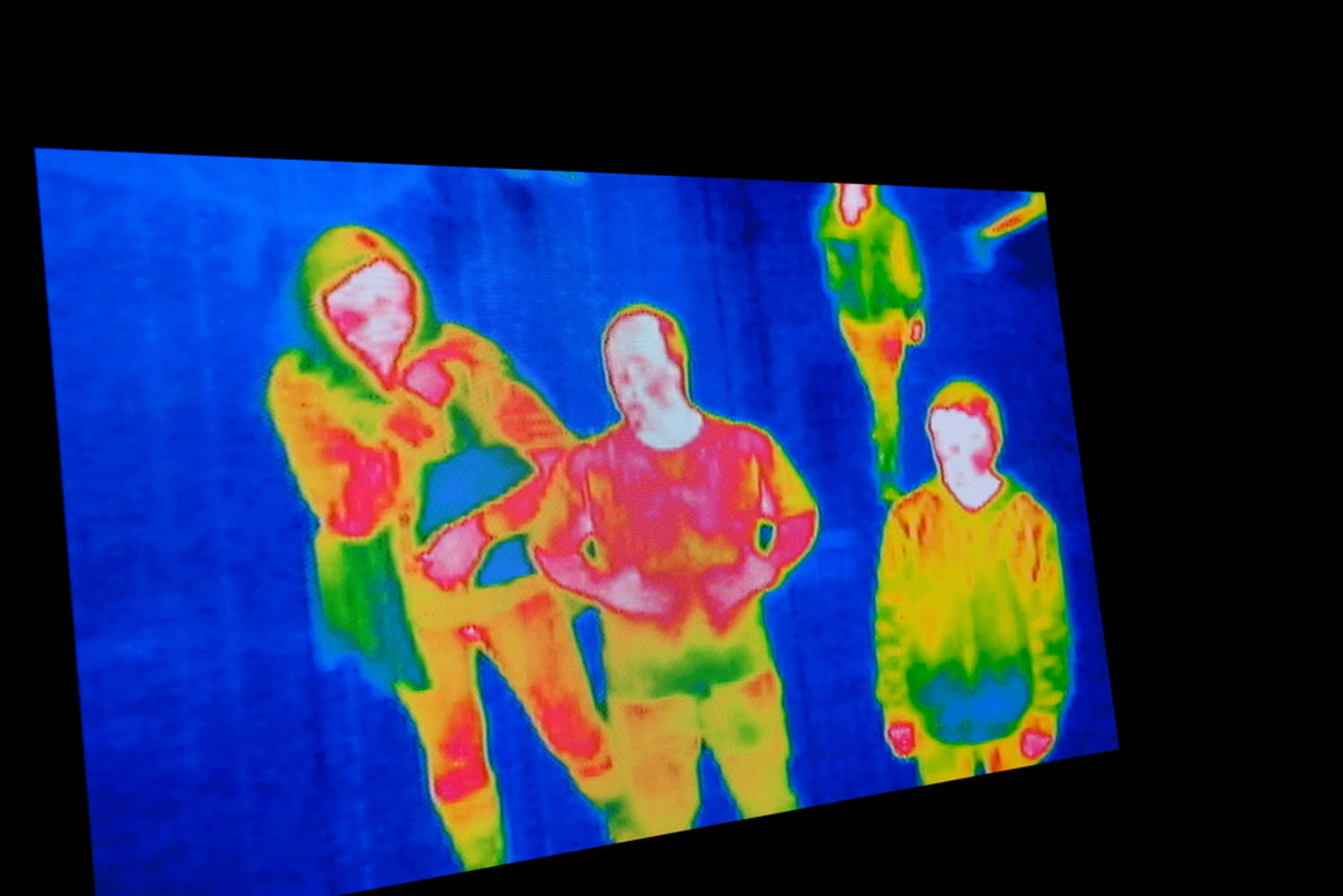
At its core, thermal imaging uses infrared temperature detection to measure heat signatures. This non‑contact method allows for rapid identification of individuals with elevated body temperatures, making it invaluable in emergency scenarios. Unlike manual checks, thermal imaging delivers consistent, accurate results — ideal for high‑traffic environments where speed and precision matter most.
Key Advantages of Thermal Imaging
- Non‑contact screening – Reduces physical interaction, minimizing health risks for staff and visitors.
- Rapid detection – Identifies elevated temperatures in seconds, keeping entry points moving smoothly.
- Accuracy and consistency – Provides reliable readings compared to manual thermometers, even in busy environments.
- Scalability – Works effectively in small offices, large hospitals, or transit hubs with thousands of daily visitors.
- Integration potential – Can be paired with complementary technologies such as digital video surveillance systems or face recognition access control for layered protection.
Thermal imaging is more than just a health tool — it’s a versatile technology that adapts to different environments. To see how it supports hospitals, transit systems, schools, and even residential properties, let’s explore its wide‑ranging applications across industries.
Where Thermal Imaging Makes an Impact
Thermal imaging isn’t limited to one sector — its adaptability makes it a powerful tool across diverse environments. When paired with professional installation services, organizations can tailor screening systems to their specific needs.
Healthcare Facilities
Hospitals and medical centres are high‑risk environments where vulnerable patients require protection. Thermal imaging enables staff to quickly identify individuals with elevated temperatures, reducing the chance of contagion. When integrated with face recognition access control, staff can streamline entry while ensuring only authorized personnel enter restricted zones. This combination minimizes manual checks, saving time and improving patient safety.
Transit Systems and Public Spaces
Subway stations, bus depots, and airports face constant crowd flow. Thermal imaging helps operators manage large groups without slowing down entry. By pairing screening devices with multi‑tenant video entry and digital video surveillance systems, transit authorities can monitor both health and security risks in real time. Adding digital & metal detector security gates creates a layered approach, detecting both elevated temperatures and prohibited items simultaneously.
Educational Institutions
Colleges and universities often experience peak entry times during classes and events. Installing integrated wrist temperature measurement systems at entry points allows for rapid, non‑contact screening. When combined with existing access panels, schools can maintain a safe environment without disrupting student movement. Professional installation ensures these systems are positioned correctly to handle high traffic efficiently.
Commercial and Residential Properties
Businesses and residential complexes also benefit from thermal imaging. For example, home alarm systems with cameras and sensors can extend screening capabilities to multi‑unit buildings. Commercial properties can integrate thermal imaging with card reader access panels, ensuring that employees and visitors are screened before entering sensitive areas. This creates a safer workplace and reassures tenants and customers alike.
Public Safety and Community Protection
Beyond individual industries, thermal imaging plays a critical role in broader public safety. Municipal facilities, event venues, and government buildings increasingly rely on emergency screening technology to safeguard employees, visitors, and commuters. When combined with infrared temperature detection, these systems provide a reliable, non‑contact method of monitoring health risks while maintaining smooth operations.
Complementary Technologies That Strengthen Screening
While thermal imaging is powerful on its own, integration with other advanced screening solutions creates a comprehensive safety framework. Professional installation ensures these technologies work together seamlessly, enhancing both health monitoring and overall protection.
Home Alarm Systems
Residential complexes can combine thermal imaging with home alarm systems that include cameras, sensors, and control panels. This integration allows property managers to monitor health risks while maintaining traditional safety measures such as intrusion detection and perimeter monitoring.
Commercial Alarm Systems
For businesses, pairing thermal imaging with commercial alarm systems provides dual benefits. Digital video surveillance captures activity, while thermal imaging identifies potential health concerns. Card reader access panels can be configured to deny entry if elevated temperatures are detected, ensuring that screening is part of the access control process.
Emergency Solutions for Large Facilities
Hospitals, transit depots, and universities require specialized strategies. Thermal imaging can be integrated into emergency solutions designed for high‑traffic environments. When combined with bi‑spectral infrared body temperature fast screening instruments, facilities gain rapid, accurate screening that supports broader emergency response protocols.
Multi‑Layered Entry Control
Adding digital & metal detector security gates or face recognition access control systems creates a multi‑layered entry process. Visitors are screened for both health and security risks, reducing the burden on staff and ensuring smoother operations. Professional installation ensures these systems are calibrated to work together without bottlenecks.
Expanding the Value of Thermal Imaging Beyond Health
While most people associate thermal imaging with identifying elevated body temperatures, its applications extend far beyond health monitoring. When installed and configured by professionals, these systems become versatile tools that enhance safety, efficiency, and operational awareness across different environments.
Workplace Safety and Risk Prevention
Thermal imaging can detect overheating machinery, electrical faults, or hidden fire hazards before they escalate. For manufacturing plants or commercial facilities, this proactive monitoring reduces downtime and prevents costly damage. Integrated with commercial alarm systems, alerts can be triggered instantly, allowing staff to respond before issues become emergencies.
Energy Efficiency and Building Performance
In addition to safety, thermal imaging supports sustainability. By identifying insulation gaps, air leaks, or inefficient HVAC systems, property managers can make targeted improvements that lower energy costs. For Toronto businesses and homeowners, this means not only safer spaces but also smarter, more cost‑effective operations.
Crowd Management and Event Oversight
Large gatherings — whether at universities, transit hubs, or public events — benefit from thermal imaging’s ability to provide real‑time data. Combined with multi‑tenant video entry or digital video surveillance systems, operators can monitor crowd flow, detect anomalies, and maintain smooth entry processes without compromising safety.
Integrated Emergency Strategies
When paired with emergency screening technology, thermal imaging becomes part of a broader safety framework. Hospitals, transit depots, and colleges can integrate advanced screening solutions like digital & metal detector security gates or face recognition access control to create a layered approach that protects both health and security.
Expert Installation Backed by Local Insight
Of course, the effectiveness of these technologies depends on how they’re deployed. Without professional installation services, even the most advanced devices can underperform. Our team ensures proper calibration, strategic placement, and seamless integration with existing platforms. For example, pairing a handheld thermal imager with a digital video surveillance system allows businesses to monitor both health and safety risks simultaneously. Professional recommendations also help organizations decide whether a bi‑spectral infrared body temperature fast screening instrument is better suited than smaller, portable options.
Working with a local expert ensures that installations meet regional standards and address specific community needs. As a Toronto security provider, we understand the unique challenges faced by hospitals, transit hubs, and educational institutions in our city. Our tailored approach ensures that every system — from thermal imaging to integrated alarms — is designed for maximum impact.
The future of safety lies in combining technology with expertise. thermal imaging for emergency screening delivers rapid, reliable results, but its true value emerges when paired with professional installation services and complementary tools. As a Toronto security provider, we help organizations build advanced screening solutions that protect people, property, and peace of mind.
Ready for Safer Spaces? Let’s Talk
Call us today at (416) 498-9597 for a free quote or book an appointment for a consultation. Our team will assess your facility’s needs and recommend the right combination of thermal imaging and integrated technologies to keep your environment safe, efficient, and future‑ready.