Protecting patients, staff, visitors, and valuable medical assets requires layered security systems that combine multiple technologies into one cohesive strategy. As hospitals, clinics, and medical centres continue to evolve, relying on a single form of protection is no longer enough. A well-planned, professionally installed approach helps reduce vulnerabilities, improve emergency response, and create a safer environment without interrupting day-to-day operations.
As a Toronto provider of integrated protection technologies for homes and businesses, we’ve worked with organizations that understand the importance of proactive planning. Every medical environment has its own challenges, from managing visitor traffic to protecting sensitive areas and valuable equipment. That’s why every recommendation should begin with a professional site assessment and a solution designed around the building’s unique needs—not a one-size-fits-all package.
Why a Layered Approach Matters
Medical environments experience constant movement throughout the day. Patients, visitors, healthcare professionals, contractors, and delivery personnel all require different levels of entry permissions, creating opportunities for unauthorized access if the proper measures are not in place.
Rather than depending on a single alarm or monitoring device, a layered strategy combines complementary technologies that work together. If one component detects unusual activity, another can verify the event, notify personnel, or help contain the situation. This integrated approach strengthens overall protection while supporting daily operations.
A professionally designed approach helps organizations:
- Deter unauthorized entry before incidents occur.
- Detect suspicious activity in real time.
- Verify events using integrated video monitoring.
- Alert designated personnel immediately.
- Support faster emergency response and incident documentation.
For many organizations, investing in hospital security solutions means building a system that can adapt as operational requirements change over time.
Building Blocks of a Layered Approach
No single technology can protect a medical environment on its own. The most effective strategy combines several integrated layers, each serving a specific purpose while working together to reduce risk, improve response times, and support uninterrupted patient care.
1. Access Control Systems for Restricted Areas
Controlling who can enter sensitive spaces is one of the most important layers in any medical environment. Pharmacies, operating rooms, laboratories, server rooms, and medical records storage all require different levels of authorization.
Modern access control systems use card readers, keypads, credentials, and Face Recognition Access Control to ensure only authorized personnel can enter designated areas. These technologies deliver even greater value when professionally integrated with alarm monitoring and video surveillance, allowing administrators to respond immediately if unauthorized activity is detected.
Areas that commonly benefit from controlled entry include:
- Pharmacies and medication storage
- Operating theatres
- Laboratories
- Medical records archives
- IT and server rooms
- Staff-only administration offices
Professional installation ensures readers, controllers, and software are configured correctly while providing a seamless experience for employees and authorized visitors.
2. Intelligent Video Monitoring
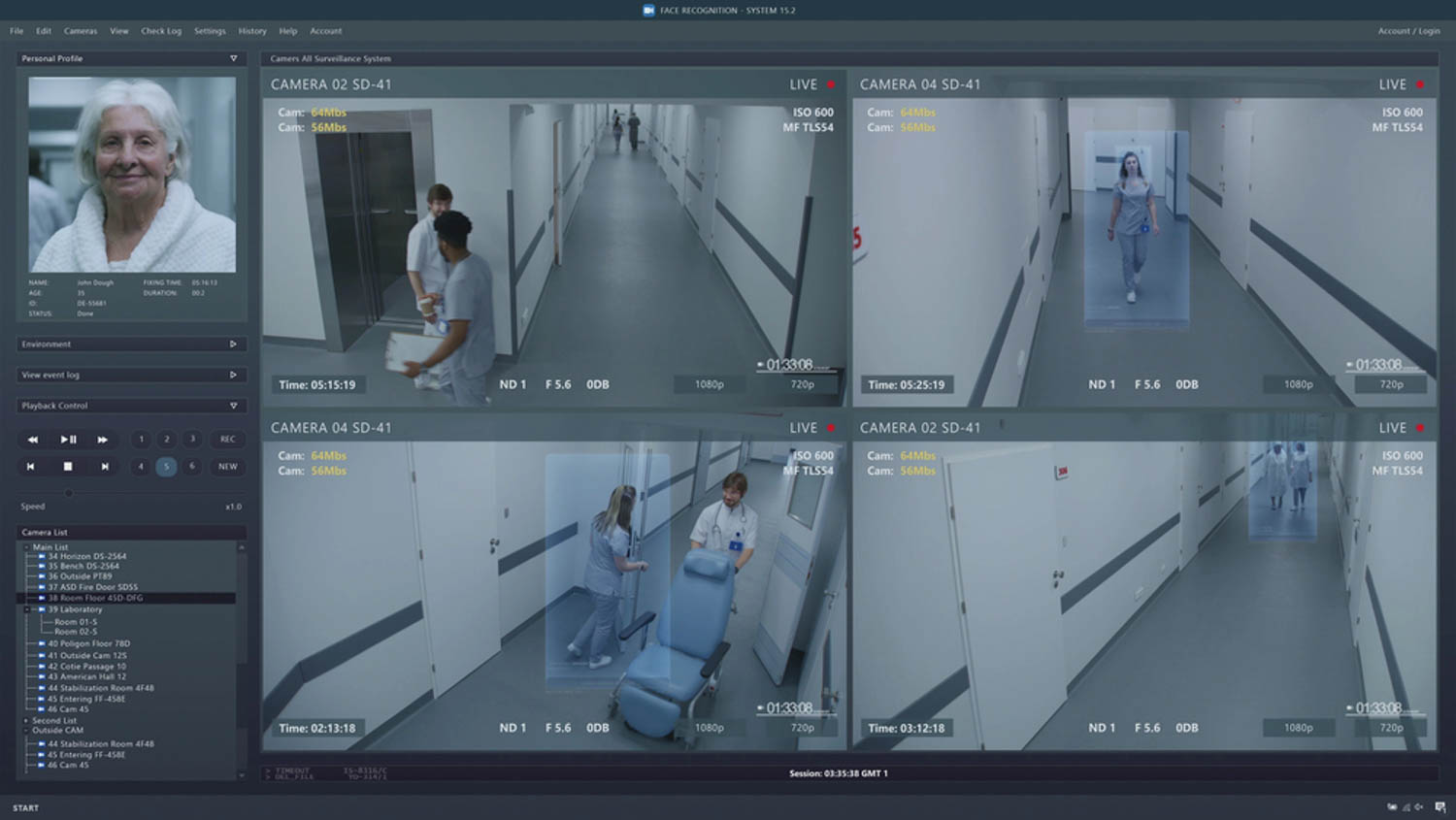
Digital video surveillance has become an essential component of modern medical protection. Strategically positioned cameras help discourage unwanted activity while providing valuable footage should an incident occur.
A professionally designed Commercial Alarm System integrates digital video surveillance with alarm control panels and monitoring platforms, giving administrators better visibility across the property while improving response times.
Typical camera locations include:
- Main entrances and exits
- Reception and waiting areas
- Emergency department entrances
- Hallways and corridors
- Parking facilities
- Loading and delivery zones
- Building perimeters
When professionally designed, video monitoring works alongside other technologies to verify alarms quickly, reduce blind spots, and improve situational awareness.
3. Emergency Response Layers
Medical organizations must be prepared for unexpected situations ranging from security incidents to public health concerns.
Purpose-built Emergency Solutions help staff communicate quickly during lockdowns, evacuations, or other critical events. Depending on operational requirements, additional technologies can strengthen emergency preparedness without disrupting day-to-day operations.
Examples include:
- Digital & Metal Detector Security Gates
- Face Recognition Access Control
- Bi-Spectral Infrared Body Temperature Fast Screening Instruments
- Integrated Wrist Temperature Measurement Systems
- Handheld Thermal Imagers
Rather than functioning independently, these technologies deliver the greatest value when professionally integrated with alarms, surveillance, and communication platforms, creating a coordinated response that helps protect patients, staff, and visitors.
4. Early Detection and Monitoring
Another important layer focuses on identifying potential concerns before they escalate. Intrusion detection devices, sensors, monitoring equipment, and commercial alarm technology help maintain awareness throughout the property, even outside normal operating hours.
When integrated into a complete platform, these technologies can automatically:
- Trigger video recording
- Notify designated personnel
- Activate audible alarms when required
- Record incident timelines for investigation
- Improve coordination during emergency situations
This coordinated approach strengthens medical facility protection while helping reduce unnecessary disruptions to patient care.
5. Professional Design Makes Every Layer Stronger
Technology performs best when every component has been planned as part of a complete strategy rather than installed individually.
Every hospital, clinic, and medical centre has different layouts, patient volumes, staffing levels, and operational priorities. A professional installer evaluates these factors before recommending equipment that works together efficiently.
Professional recommendations help ensure:
- Equipment is selected for your organization’s unique requirements.
- Cameras are positioned to reduce blind spots.
- Entry management integrates seamlessly with alarm platforms.
- Devices communicate reliably across the entire property.
- Future expansion is simple as operational needs evolve.
From selecting the ideal camera locations to configuring alarm panels and integrating monitoring technologies, expert installation creates a cohesive environment where every layer supports the next.
The Long-Term Value of Professional Installation
Choosing the right technology is only part of the process. Proper installation, programming, testing, and ongoing support ensure every device performs as intended from day one while providing long-term reliability.
While some healthcare organizations may consider independent installation as a way to reduce upfront expenses, this approach can create challenges that affect performance, reliability, and future expansion.
Common issues include:
- Overlapping devices that increase costs without improving coverage.
- Poorly configured alarms that result in unnecessary false alerts.
- Gaps in monitoring that leave important areas less protected.
- Incompatible technologies that limit future upgrades.
Professional recommendations and expert installation help eliminate these risks by ensuring every component is selected, configured, and integrated as part of a cohesive layered protection strategy.
A properly designed platform also makes future upgrades easier. As organizations expand, additional cameras, monitoring equipment, entry points, and specialized technologies can be incorporated without replacing the original investment.
Working with an experienced Toronto provider means receiving guidance based on your building, operational goals, compliance requirements, and budget. Instead of simply supplying equipment, an experienced installer develops a complete strategy that delivers dependable protection today while remaining flexible for tomorrow.
Bringing Every Layer Together
Creating a safer medical environment requires more than installing individual devices. It involves combining complementary technologies that work together to protect patients, staff, visitors, and valuable assets while supporting efficient daily operations.
A layered approach provides:
- Improved protection throughout the property
- Better visibility into daily operations
- Faster emergency response
- Technology that can grow with your organization
- Confidence that every component works together as intended
By partnering with a trusted Toronto provider for professional recommendations, expert installation, and ongoing support, medical organizations can invest with confidence while strengthening healthcare risk management through layered security systems.
Protect Your Healthcare Facility Today
Ready to strengthen your facility’s protection with a professionally designed layered approach? Our Toronto team can assess your property, recommend the right technologies, and create an integrated plan tailored to your needs.
Contact us today at (416) 498-9597 for a free quote or schedule a consultation to discuss your security requirements.